Sofas are foundational pieces in living spaces, combining seating comfort with design aesthetics. This category emphasizes construction quality, materials, and dimensions to help readers select pieces that align with room scale, traffic flow, and intended use. Understanding frame integrity, upholstery wear, and cushion composition informs durability and long-term satisfaction in sophisticated bedroom environments.
Key considerations include frame materials (hardwood versus plywood), joinery methods, and suspension systems that influence support and resilience. For fabric or leather upholstery, factors like abrasion resistance, cleaning practicality, and colorfastness affect upkeep. In informed decision-making, these attributes determine how a sofa ages and how it accommodates daily activities such as lounging, hosting, or reading.
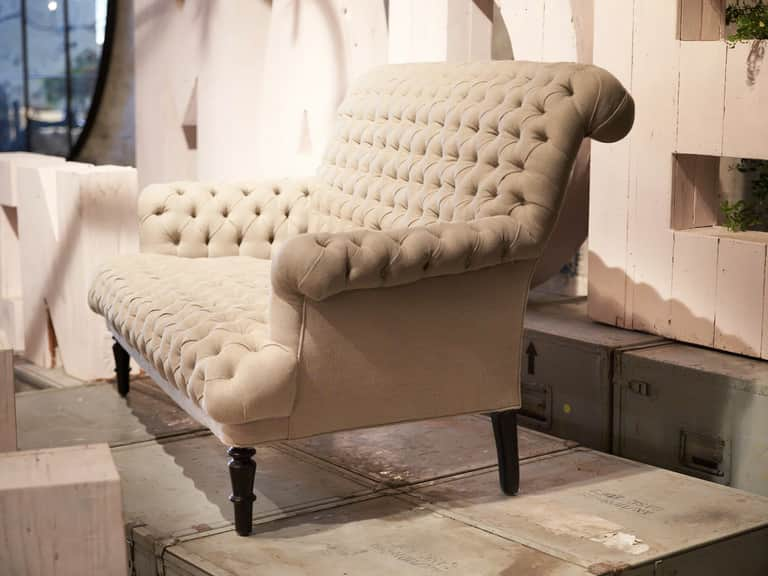
The Cisco Home Bachelor Sofa exemplifies compact design with pragmatic features suitable for modern interiors. It typically combines a sturdy frame, versatile seating, and clean lines that integrate with varied decor. Functional benefits include efficient use of space, comfortable seating height, and adaptable styling that complements additional seating arrangements.
Within this category, understanding dimensions, seating depth, and back support helps match sofas to room layouts and personal preferences. Consideration of seat firmness, cushion fill (such as high-density foam or feather down), and armrest design informs comfort during extended use. An informative approach also weighs maintenance needs and long-term appearance retention.
Meta keywords such as bedding, pillows, sheets, adjustable beds, and comforters reflect related bedroom essentials that influence overall sleep and relaxation environments. While focusing on sofas, recognizing how living room furniture interacts with sleep-related items can guide holistic room planning and ergonomic comfort for daily living and occasional rest.
 Furniture